

Zoom
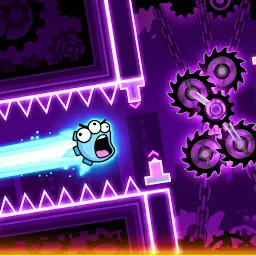
















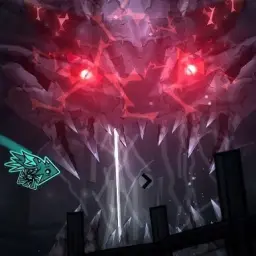
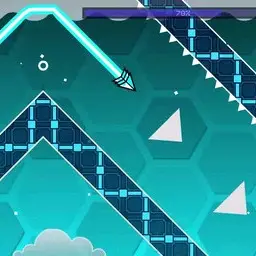
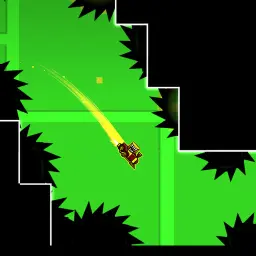
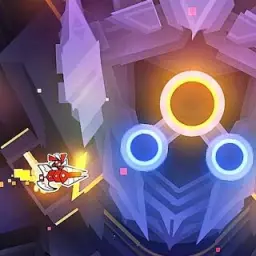
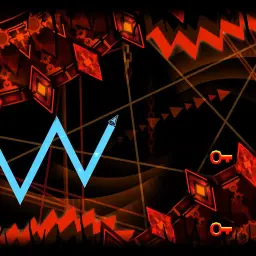



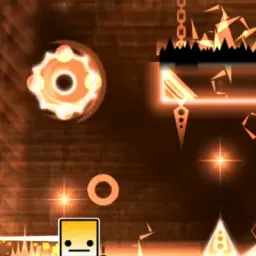










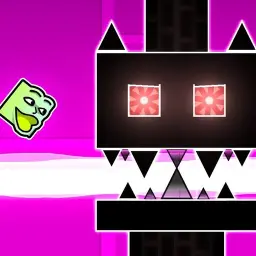





























Geometry Dash Sonic Wave
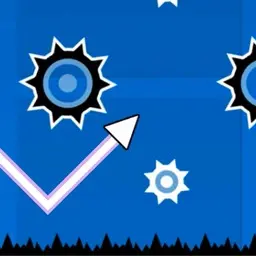
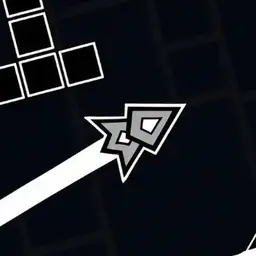
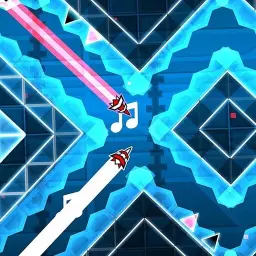
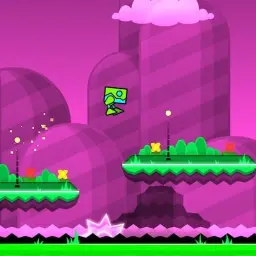
Geometry Dash Sonic Wave is a brutal precision challenge with tight waves and rapid transitions. Master every click and conquer this iconic Demon.
Gameplay Guide for Geometry Dash Sonic Wave
Cube Opening (0–6%)
The level begins with a relatively simple cube section that introduces basic orb timings and small spike obstacles. Although this part feels manageable, it sets the rhythm for everything that follows.
Instead of rushing through the opening, focus on building consistency. Learning the jump timing early makes later practice much more effective.
Double-Speed Ship (7–15%)
The gameplay quickly transitions into a fast ship section featuring gravity portals, mini-ship sequences, and narrow flying corridors.
Smooth control is more important than aggressive movements. Small adjustments help you avoid spikes and gears while maintaining a steady flight path.
Ball Gameplay and Orb Precision (16–23%)
This section slows the gameplay slightly with half-speed ball mechanics before introducing much faster mini-ball segments.
Every orb activation must be carefully timed. Missing even a single input can end the attempt immediately, making memorization just as important as reaction speed.
If you enjoy learning memory-heavy gameplay, you may also appreciate Zodiac GD, another famous Extreme Demon that combines memorization with highly technical gameplay in a different style.
Triple-Speed Wave Challenge (24–35%)
This is where Geometry Dash Sonic Wave truly becomes legendary.
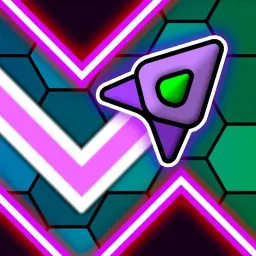
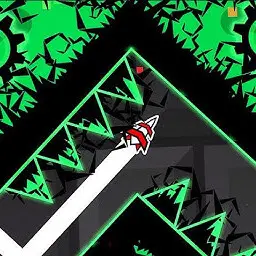
Triple-speed wave gameplay throws you into incredibly narrow corridors filled with spikes, gravity portals, and constant direction changes. Success depends on maintaining a consistent clicking rhythm rather than making random corrections.
Many find this section to be the first major roadblock of the level.
Mini-Wave Precision (36–46%)
The difficulty increases even further with mini-wave spam sections that leave almost no room for error.
You must carefully control every click while navigating through extremely small gaps. Over-clicking is just as dangerous as under-clicking, so staying relaxed is essential.
Practicing these sections repeatedly in Practice Mode helps build reliable muscle memory before attempting full runs.
Speed Changes and Cube Tests (47–67%)
The middle portion combines cube gameplay with frequent speed changes and gravity portals.
Besides accurate jumps, you also need to remember the locations of pads and orbs throughout the level. These memory-based mechanics reward players who study each sequence rather than relying only on reflexes.
For newer players working toward harder Demon levels, Nightmare GD is an excellent starting point. It teaches basic timing and obstacle reading that help prepare you for much more demanding levels like Sonic Wave.
Final Wave Gauntlet (68–100%)
The final stretch contains some of the hardest wave gameplay in the entire level.
Triple-speed mini-wave corridors, gravity switches, and tight pathways require complete concentration until the finish line. Many players lose runs here simply because they become nervous after reaching the final section.
Remaining calm and trusting your muscle memory often makes the difference between failure and victory.
The Best Practice Strategy
Divide the Level Into Sections: Learning one part at a time makes progress much faster than trying to memorize the entire level at once. Focus on mastering individual gameplay segments before connecting them together.
Increase Run Length Gradually: After becoming comfortable with short sections, challenge yourself with increasingly longer runs. This improves endurance while helping you adapt to the pressure of full attempts.
Stay Patient: Geometry Dash Sonic Wave is designed to test consistency over hundreds or even thousands of attempts. Every failed run teaches valuable timing and movement patterns that bring you closer to completion.