

Zoom


































Zodiac GD
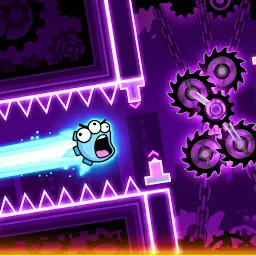
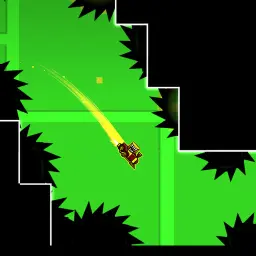
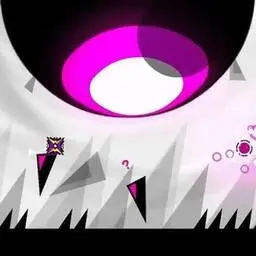
Zodiac GD is a brutal Extreme Demon filled with tight waves, fast transitions, and precise clicks. Master every section and conquer this legendary challenge.
Why Does Geometry Dash Zodiac Stand Out?
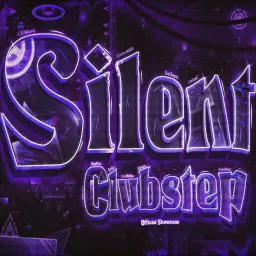
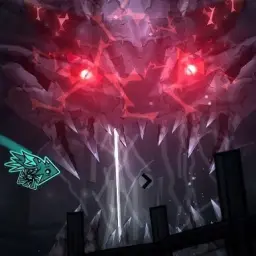
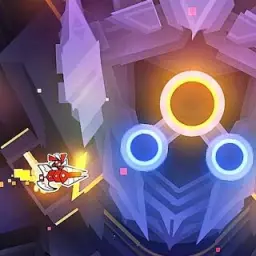
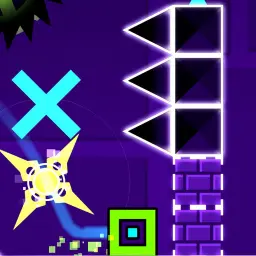
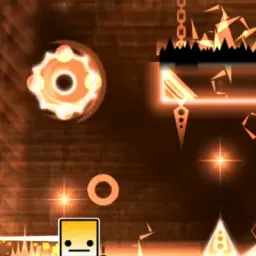
Geometry Dash Zodiac is a community-made Extreme Demon mega-collaboration featuring gameplay created by numerous talented builders. The level quickly became famous for its incredible difficulty, complex transitions, and breathtaking visual design.
Unlike shorter Demon levels, Zodiac lasts for more than three minutes, meaning every successful attempt requires exceptional concentration from beginning to end. Even experienced players consider Zodiac a milestone because it combines nearly every difficult gameplay style Geometry Dash has to offer.
If you're still developing your Demon-level fundamentals, completing easier levels like Nightmare GD first can help you build the timing, consistency, and confidence needed before taking on Zodiac.
How to Beat Geometry Dash Zodiac?
Learn the Level in Practice Mode First
The best way to begin learning Zodiac GD is by using Practice Mode instead of jumping directly into Normal Mode.
Practice Mode allows you to:
Memorize portal locations
Learn every speed transition
Understand each creator's gameplay style
Build muscle memory for difficult timings
Trying to complete Zodiac without first learning its layout usually leads to frustration because many obstacles require memorization rather than quick reactions.
Divide Zodiac Into Smaller Sections
One of the most effective strategies in any Geometry Dash Zodiac guide is to practice the level in smaller segments.
Instead of repeatedly playing from 0%, focus on individual sections until you can complete them consistently. After mastering each segment, gradually combine them into longer runs such as:
25%–60%
40%–100%
60%–100%
This approach helps improve consistency while reducing unnecessary attempts.
Master Every Gameplay Mode
One reason Geometry Dash Zodiac is considered one of the hardest Extreme Demons is the incredible variety of gameplay mechanics.
Throughout the level, you'll encounter:
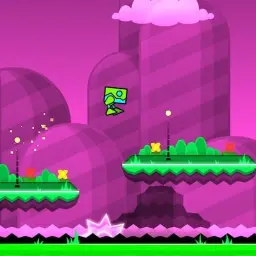
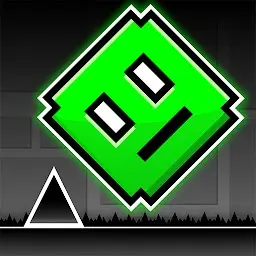
Cube: Many Cube sections feature triple spikes, difficult orb timings, and precise landing positions that punish even the slightest mistake.
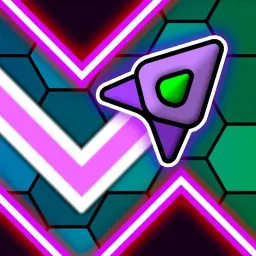
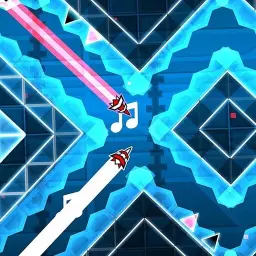
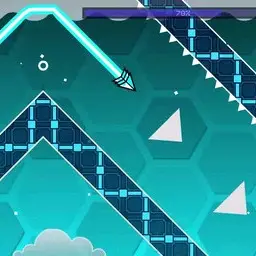
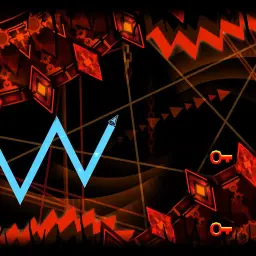
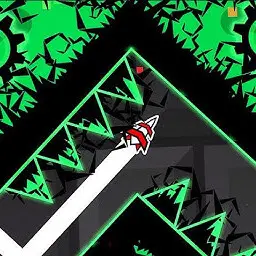
Wave: The Wave gameplay includes narrow corridors, gravity switches, and mini-wave segments that require extremely smooth control.
Ship: Several Ship sections rely on straight-flying through tight spaces. Small movements often produce better results than overcorrecting your position.
Robot, Ball, Spider, and UFO: These modes focus heavily on timing and quick transitions. Memorizing click patterns is often more effective than relying purely on reaction speed.
Those who have already completed demanding memory-based levels such as Afterlife GD often find it easier to adapt to Zodiac's constant mode changes and complex transitions. Although Zodiac is significantly harder, the experience gained from similar high-intensity levels can make learning each section more manageable.
Stay Calm During Long Attempts
One of the biggest reasons players fail Geometry Dash Zodiac gameplay is pressure.
As you approach the final quarter of the level, excitement often causes rushed clicks and poor decision-making. Instead of thinking about reaching 100%, focus only on the obstacle directly in front of you.
Maintaining the same rhythm from beginning to end greatly improves your consistency.
Common Mistakes Players Make
Many players struggle with how to beat Zodiac GD because they repeat the same habits.
Ignoring Practice Mode: Learning the layout is essential. Blind attempts rarely lead to meaningful progress.
Only Practicing From 0%: Playing the entire level every attempt wastes valuable practice time. Working on specific sections is far more efficient.
Neglecting the Second Half: Many of Zodiac's hardest chokepoints appear after 70%. Spending equal practice time on the ending dramatically increases your completion chances.
Losing Focus Near the End: The final percentages demand the same concentration as the opening. Staying relaxed often matters more than clicking faster.